
The Best Carrier Oils to Use with Essential Oils for Dogs: Safe and Effective Options for Canine Care
Essential oils can offer many benefits for dogs, but using them safely is crucial. Carrier oils play a key role in diluting essential oils for safe application on your furry friend.
The best carrier oils for mixing with essential oils for dogs include coconut oil, olive oil, and jojoba oil.
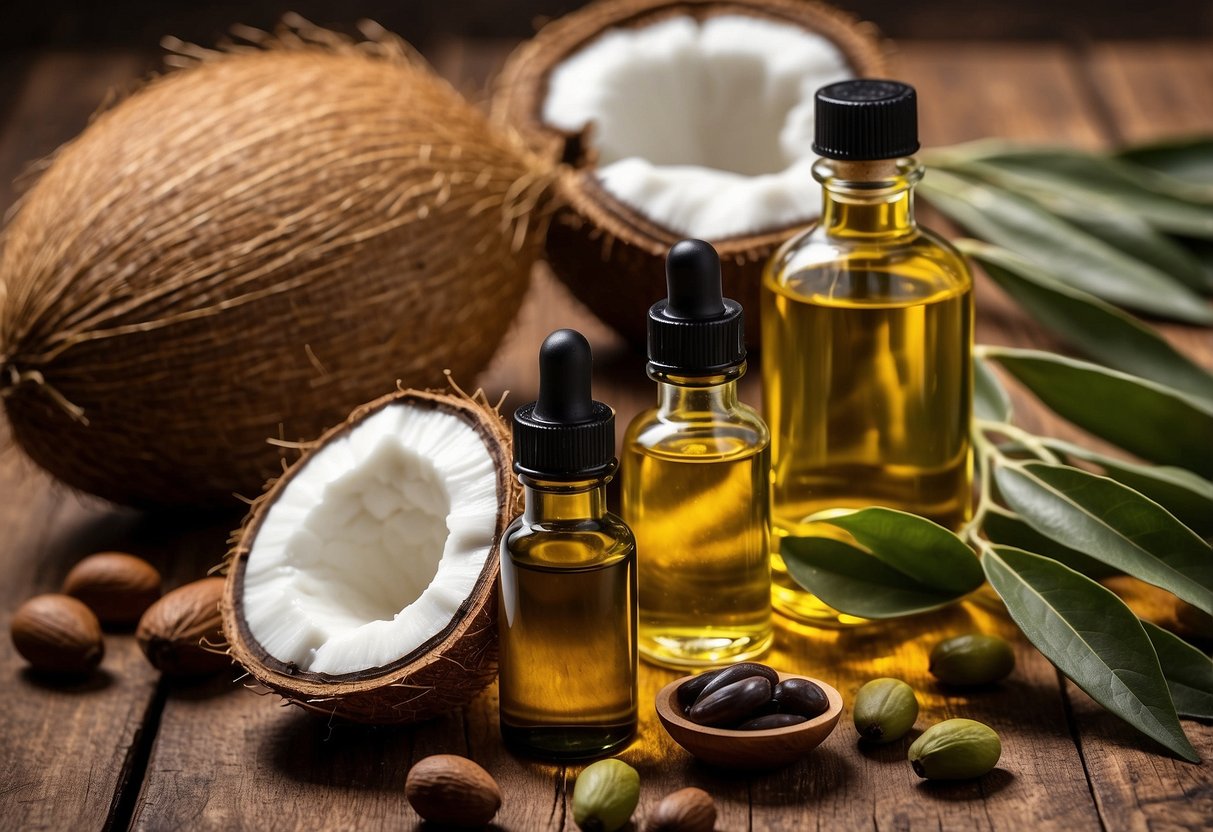
When choosing a carrier oil, consider your dog’s size, skin type, and the desired effects.
Some oils are better for skin health, while others may help with coat shine or joint support.
It’s important to select high-quality, organic oils to ensure the safety and effectiveness of your blends.
Always dilute essential oils properly before using them on your dog.
Start with a small amount and watch for any reactions.
If you’re unsure about using essential oils on your pet, talk to your vet first.
They can provide guidance on safe usage and help you create a plan that’s right for your dog’s specific needs.
Key Takeaways
- Carrier oils are essential for safely diluting essential oils for dogs
- Choose high-quality oils based on your dog’s needs and characteristics
- Always dilute properly and consult your vet before using essential oils on your pet
Essential Oils for Dogs: An Overview
Essential oils can be helpful for dogs when used properly. These concentrated plant extracts offer various benefits, but you need to be careful.
Not all essential oils are safe for dogs. Some can be toxic or cause bad reactions.
You should only use oils that are known to be dog-friendly.
Safe essential oils for dogs include:
- Lavender
- Chamomile
- Frankincense
- Ginger
These oils may help with issues like anxiety, skin problems, and joint pain in dogs. But always dilute them first.
Never use these oils on dogs:
- Tea tree
- Cinnamon
- Pennyroyal
These can be very harmful. They might cause vomiting, skin irritation, or even organ damage.
When using essential oils, dilute them with a carrier oil. This makes them safer for your dog’s skin. Good carrier oils include coconut oil and olive oil.
Start with a small amount to see how your dog reacts.
Watch for signs of discomfort or allergic reactions.
If you notice anything odd, stop using the oil right away.
Always talk to your vet before using essential oils on your dog.
They can give you specific advice based on your pet’s health and needs.
Understanding Carrier Oils
Carrier oils play a key role when using essential oils for dogs. They help dilute potent essential oils and make them safer for your pet. Carrier oils also offer their own health benefits.
Definitions and Purposes
Carrier oils are vegetable oils that dilute essential oils. They “carry” the essential oil onto your dog’s skin or coat. This makes strong essential oils gentler and reduces the risk of irritation.
Carrier oils have two main purposes:
- Dilution: They weaken concentrated essential oils.
- Absorption: They help your dog’s skin take in the oils better.
Common carrier oils for dogs include coconut oil, olive oil, and jojoba oil. Each has unique properties that can benefit your pet’s skin and coat.
Benefits of Using Carrier Oils
Using carrier oils with essential oils for your dog has several advantages:
- Safety: Carrier oils lower the chance of skin reactions.
- Extended effects: They help essential oils work longer.
- Skin health: Many carrier oils moisturize and nourish skin.
Coconut oil, for example, can help keep your dog’s coat shiny. Grapeseed oil is light and good for dogs with oily skin. Argan oil may help reduce inflammation in your dog’s skin.
When you choose a carrier oil, think about your dog’s skin type and any health issues. This will help you pick the best oil for your pet’s needs.
Selecting the Best Carrier Oils
Picking the right carrier oils for your dog is crucial for safe and effective essential oil use. The best options are gentle, non-irritating, and offer additional benefits for your pet’s skin and coat.
Criteria for Choosing Carrier Oils
When selecting carrier oils for your dog, consider safety, absorption, and shelf life. Look for oils that are cold-pressed and organic to ensure purity.
Avoid oils that go rancid quickly, as they can irritate your dog’s skin. Instead, choose oils with longer shelf lives.
The oil’s viscosity matters too. Thinner oils spread more easily, while thicker ones stay put longer. This affects how quickly your dog’s skin absorbs the essential oils.
Consider your dog’s skin type and any existing conditions.
Some oils work better for dry skin, while others suit oily or sensitive skin.
Top Carrier Oil Recommendations
Coconut oil is a top choice for dogs. It has antimicrobial properties and absorbs well into the skin. It’s also stable and doesn’t go rancid quickly.
Almond oil is another excellent option. It’s light, non-greasy, and rich in vitamin E. This oil is great for all skin types and helps soothe irritation.
Jojoba oil closely mimics the natural oils in your dog’s skin. It’s non-allergenic and has a long shelf life, making it ideal for regular use.
Grapeseed oil is light and easily absorbed. It’s suitable for dogs with oily skin or those prone to allergies.
Carrier Oils to Avoid
Some oils that are safe for humans can be harmful to dogs. Avoid using tea tree oil as a carrier, as it can be toxic to pets if ingested.
Avoid using essential oils as carriers. They’re too strong and can cause skin irritation or other health issues in dogs.
Steer clear of mineral oil. It’s a petroleum by-product that can clog pores and prevent the skin from breathing properly.
Avoid using any oil that smells rancid or off. Rancid oils can irritate your dog’s skin and may contain harmful compounds.
Allergy Considerations
Always do a patch test before using a new carrier oil on your dog.
Apply a small amount to a small area of skin and wait 24 hours.
Watch for signs of allergic reactions like redness, swelling, or itching.
If you notice any of these, stop using the oil immediately.
Some dogs may be allergic to nut-based oils like almond or macadamia. If your dog has known nut allergies, avoid these oils.
Consider your dog’s breed and coat type.
Some breeds are more prone to skin sensitivities and may react to certain oils.
If your dog has existing skin conditions, consult with your vet before using any new oils.
They can advise on the best options for your pet’s specific needs.
Proper Dilution and Usage
Diluting essential oils correctly and applying them safely is crucial for your dog’s health. You need to know the right ratios and methods to use these oils effectively.
Dilution Guidelines for Safety
Always dilute essential oils before using them on your dog.
The dilution ratio for dogs should be much lower than for humans.
A safe ratio is 0.25% to 0.5%, which means 1-3 drops of essential oil per 4 teaspoons of carrier oil.
For puppies or small dogs, use an even lower concentration. Start with 1 drop of essential oil in 4 teaspoons of carrier oil.
Never use undiluted essential oils on your dog’s skin. This can cause irritation or even burns.
Always do a patch test before using a new oil blend on your dog.
Apply a small amount to a small area and wait 24 hours to check for any reactions.
Application Techniques for Dogs
When applying essential oil blends to your dog, be gentle and careful. Avoid sensitive areas like the eyes, nose, and genitals.
For general use, you can:
- Massage the diluted oil into your dog’s fur and skin
- Add a few drops to your dog’s shampoo
- Use a spray bottle to mist your dog’s coat
For targeted relief, apply the blend to specific areas:
- Paws for anxiety or stress
- Belly for digestive issues
- Joints for pain or inflammation
Remember to wash your hands after applying oils to your dog.
Monitor your pet for any unusual behavior or reactions after using essential oils.
Benefits of Essential Oils for Dogs
Essential oils offer many perks for dogs when used properly. They can boost health, improve behavior, and help with various physical issues. Let’s look at some key benefits.
General Health and Well-being
Essential oils can support your dog’s overall health. Lavender oil may help your pup relax and sleep better.
Some oils have germ-fighting properties that can keep your dog clean and healthy.
You can use certain oils to freshen your dog’s breath and promote good dental health. Others may boost your dog’s immune system, helping them fight off illness.
Some oils can improve your dog’s coat, making it shinier and healthier. They may also help with skin issues like dryness or itching.
Behavioral and Emotional Support
Oils can help calm anxious or stressed dogs. You might use them during thunderstorms or fireworks to ease your dog’s fears.
Some oils may lift your dog’s mood if they seem down or sluggish. Others can help dogs with separation anxiety feel more at ease when you’re away.
Certain scents might even aid in training by helping your dog focus better. You can use them to create positive associations with new experiences or places.
Physical Ailments and Conditions
Essential oils can help with many physical issues. Some may ease joint pain in older dogs or those with arthritis.
Certain oils have properties that might help with digestion problems. They can soothe upset stomachs or boost appetite in picky eaters.
You can use some oils to repel fleas and ticks naturally. Others may help heal minor cuts or scrapes faster.
Some oils can clear up ear infections or reduce inflammation. They might also help with respiratory issues, making breathing easier for dogs with allergies or colds.
Creating Therapeutic Blends

Blending carrier oils with essential oils can create powerful therapeutic mixtures for dogs. These blends can target specific health concerns and promote overall wellbeing.
Blending Basics
To create a safe blend for your dog, start with a 0.5% to 1% dilution. This means using 3-6 drops of essential oil per ounce of carrier oil.
Always use a carrier oil to dilute essential oils before applying them to your dog’s skin.
Choose carrier oils that complement your desired therapeutic effects. For example, coconut oil has antimicrobial properties, while jojoba oil is great for skin health.
Mix your oils in a dark glass bottle to protect them from light degradation. Shake the blend well before each use to ensure even distribution of the essential oils.
Effective Combinations
For calming effects, try a blend of lavender essential oil with sweet almond carrier oil. This combination can help soothe anxious dogs during stressful situations like thunderstorms or car rides.
To support joint health, mix frankincense essential oil with coconut oil. This blend may help reduce inflammation and discomfort in older dogs or those with arthritis.
For skin issues, combine chamomile essential oil with jojoba oil. This mixture can help soothe irritated skin and promote healing of minor wounds or hot spots.
Remember to patch test any new blend on a small area of your dog’s skin before full application. Watch for any adverse reactions over 24 hours.
Precautions and Safety Tips
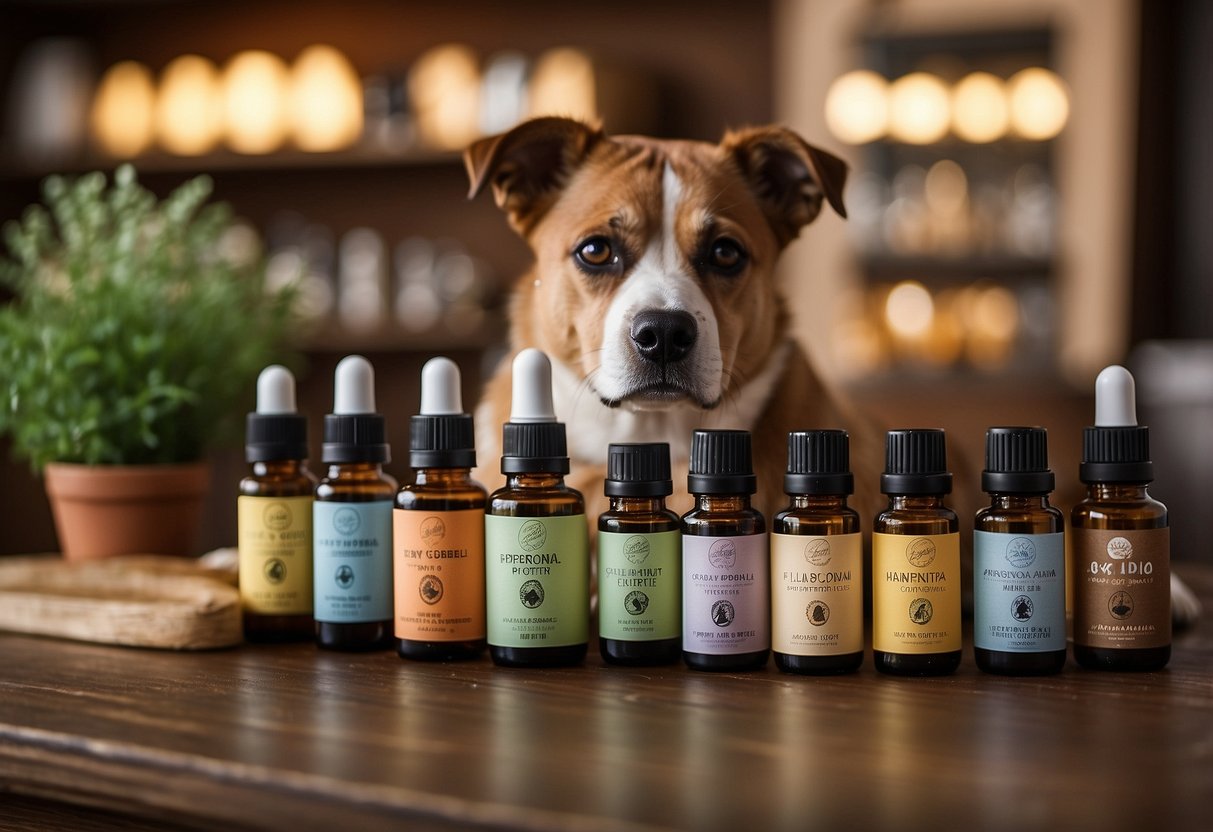
When using carrier oils with essential oils for dogs, you need to be careful. Always dilute essential oils properly and never apply them directly to your dog’s skin.
Choose high-quality, pure carrier oils and avoid those with added chemicals or fragrances. These can irritate your dog’s skin.
Start with a small amount and apply the diluted oil to a tiny patch of your dog’s skin first. Watch for any bad reactions.
Keep oils away from your dog’s eyes, nose, and mouth because these areas are very sensitive.
Some essential oils are toxic to dogs, so do your research before using any new oil.
Store your oils in a safe place and keep them out of your dog’s reach. Many oils are harmful if swallowed.
Don’t use oils on puppies, pregnant dogs, or dogs with health issues without talking to your vet first.
Remember, dogs have a strong sense of smell. What seems mild to you might be overwhelming for them, so use oils sparingly.
If your dog shows signs of distress, stop using the oils right away. Wash the area with mild soap and water and call your vet if symptoms persist.
Consulting with a Veterinarian
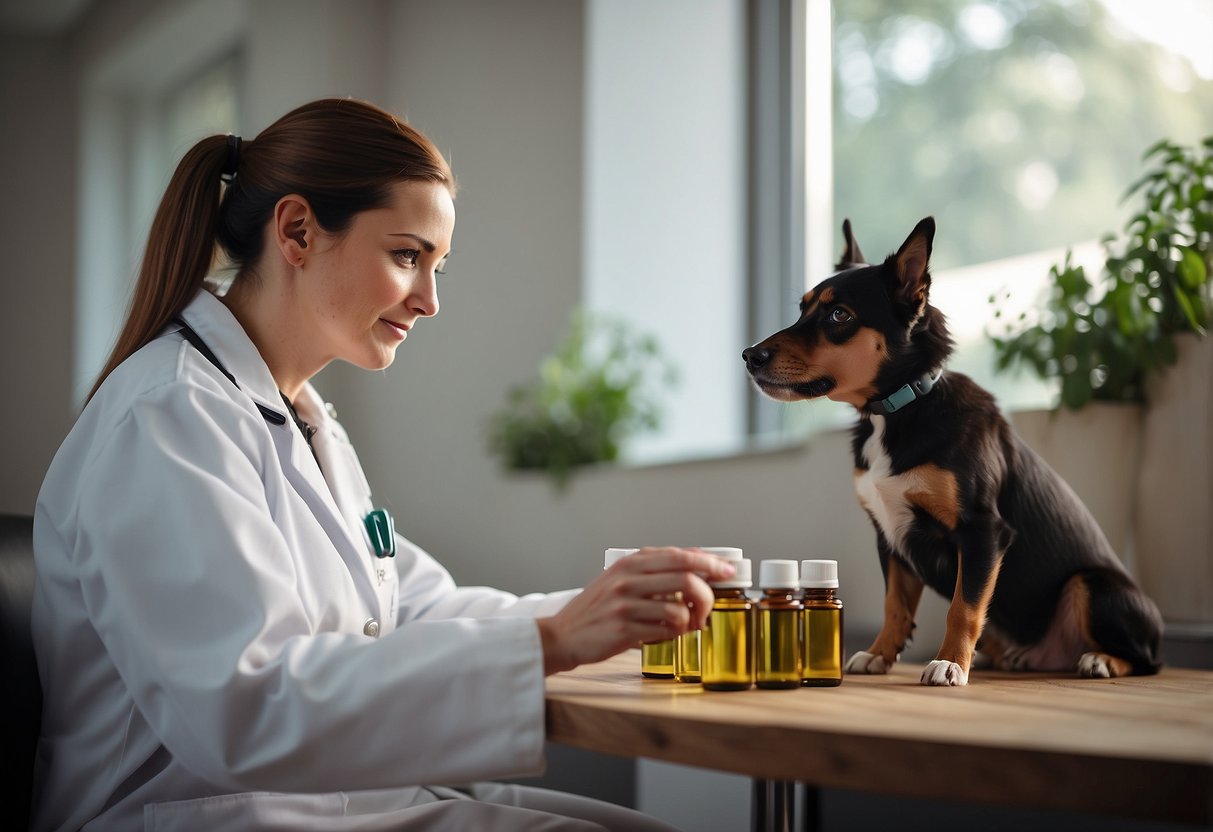
Before using essential oils on your dog, talk to your vet. They know your pet’s health history and can give personalized advice.
Your vet can tell you which oils are safe for your dog and consider factors like age, breed, and any medical conditions.
Ask your vet about:
- Proper dilution ratios
- Application methods
- Potential side effects
- Interactions with medications
Vets can also guide you on which essential oils to avoid because some oils that are safe for humans can be harmful to dogs.
Remember, every dog is different, so what works for one may not work for another. Your vet can help you create a safe plan for using essential oils.
If you notice any unusual reactions in your dog after using oils, contact your vet right away. Quick action can prevent serious health issues.
Regular check-ups with your vet are important when using essential oils because they can monitor your dog’s health and adjust recommendations as needed.
Monitoring Your Dog’s Response
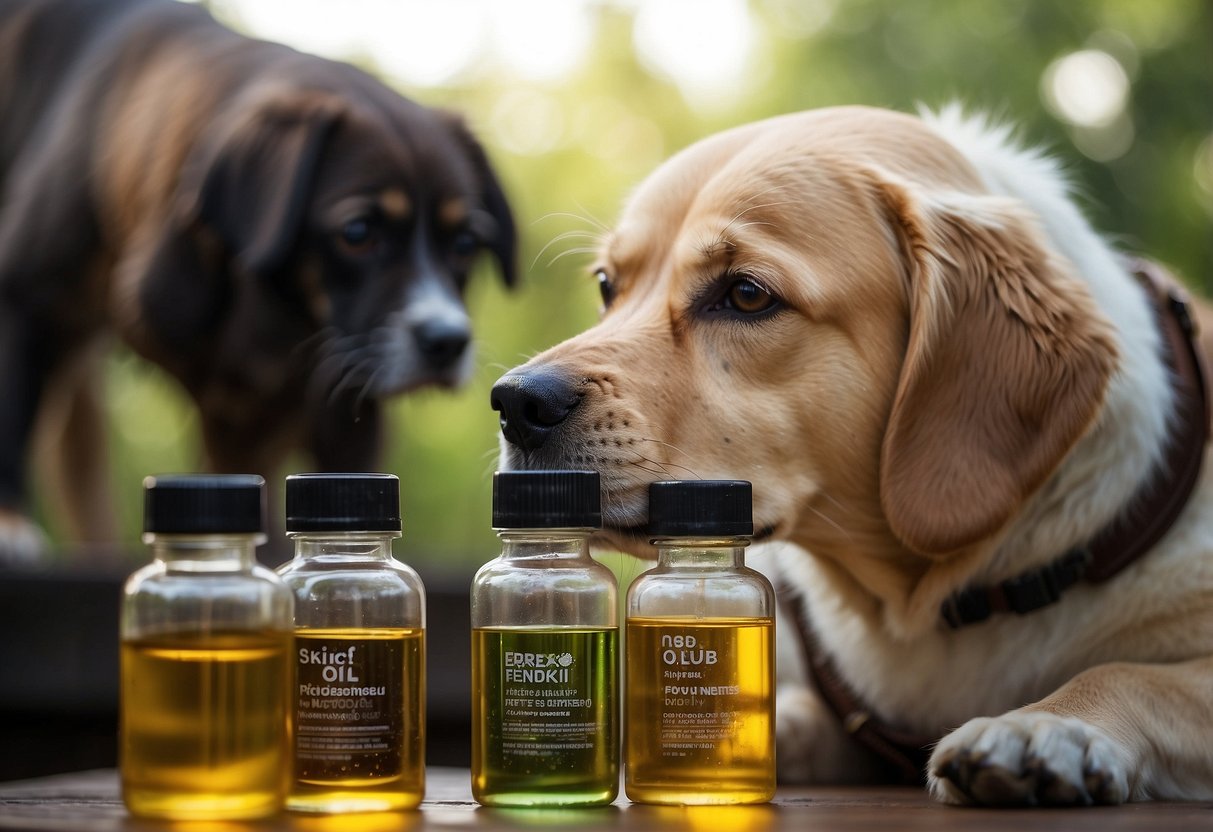
When using essential oils with your dog, it’s crucial to watch how they react. Pay close attention to any changes in behavior or health.
Look for these signs of a positive response:
- Relaxed body language
- Improved mood
- Better sleep
- Increased energy
Be alert for negative reactions like:
- Excessive drooling
- Vomiting or diarrhea
- Lethargy
- Skin irritation
Start with a small amount of diluted oil and apply it to a tiny area of your dog’s skin. Then, wait 24 hours to check for any bad reactions.
If you notice any worrying symptoms, stop using the oils right away and contact your vet if the symptoms don’t improve quickly.
Keep an eye on your dog’s reaction to ensure their safety and well-being. Every dog is different, so what works for one may not work for another.
Take notes on which oils and blends seem to help your dog. This will guide you in future use. Always prioritize your dog’s comfort and health when using essential oils.
Frequently Asked Questions
Using carrier oils with essential oils for dogs requires careful consideration. Proper dilution, choosing the right oils, and safe application methods are key for your pet’s health and comfort.
What dilution ratio should you follow when mixing essential oils with carrier oils for dogs?
For dogs, use a 0.5% to 1% dilution ratio. This means adding 3-6 drops of essential oil per ounce of carrier oil. Always start with the lower concentration, especially for smaller dogs or those with sensitive skin.
Which carrier oils can help to soothe a dog’s irritated skin when used with essential oils?
Coconut oil and jojoba oil are excellent choices for soothing irritated dog skin. These oils have natural anti-inflammatory properties and are gentle on your dog’s coat.
Are there any essential oils that should be avoided entirely for use around dogs?
Yes, avoid using tea tree, cinnamon, citrus, pine, wintergreen, and ylang-ylang oils around dogs. These can be toxic to canines even in small amounts. Always check with your vet before using any essential oils on or around your dog.
How can you safely use essential oils in a diffuser around pets, specifically dogs?
When using a diffuser around dogs, choose pet-safe oils and use them sparingly. Ensure good ventilation and always provide an escape route for your dog. Limit diffusion time to 15-30 minutes per session.
What are the benefits of using carrier oils with essential oils for dogs’ coats and skin health?
Carrier oils help moisturize your dog’s skin and coat. They can reduce dryness, itching, and flaking. Grapeseed oil is rich in antioxidants and can promote a healthy, shiny coat.
Can certain essential oils help eliminate unpleasant dog odors when mixed with the right carrier oils?
Yes, lavender and chamomile oils, when properly diluted with a carrier oil, can help reduce dog odors. Apply the mixture sparingly to your dog’s coat, avoiding the face and paws. Always test a small area first for any adverse reactions.