Combining Massage and Essential Oils for Dog Relaxation: A Holistic Approach to Canine Stress Relief
Dogs can benefit greatly from relaxation techniques. Combining massage and essential oils is a gentle way to help your furry friend unwind.
Massage with essential oils can reduce stress, ease muscle tension, and promote overall well-being in dogs.
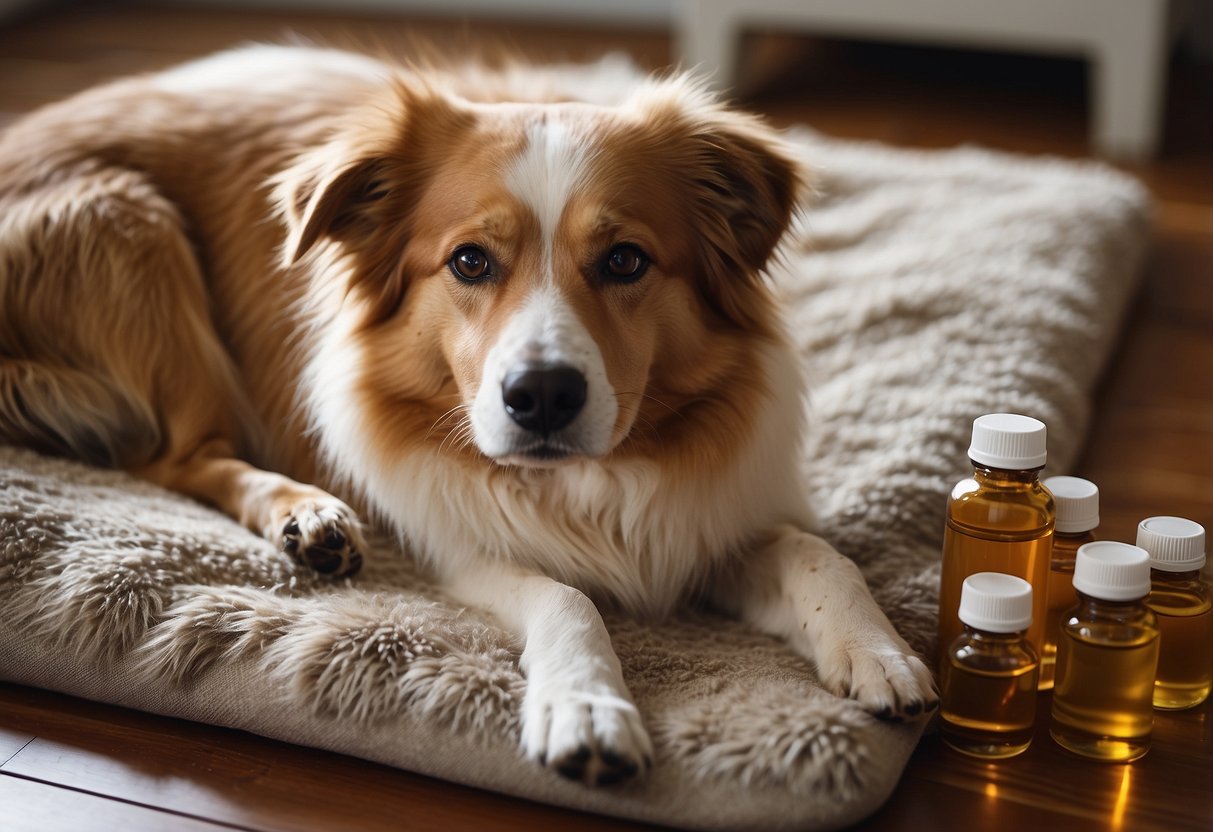
When using essential oils on dogs, it’s important to choose safe options. Lavender, chamomile, rosemary, and peppermint are good choices for calming scents.
Always dilute oils with a carrier oil like coconut or jojoba before use.
You can apply diluted oils to your hands and gently massage your dog’s neck, back, and chest.
Another option is to create a calming spray with water and a few drops of essential oil. This can be misted around your dog’s environment for a soothing effect.
Key Takeaways
- Massage with essential oils can reduce stress and promote relaxation in dogs
- Always dilute essential oils and choose dog-safe options like lavender or chamomile
- Apply oils through gentle massage or create a calming room spray for your dog’s environment
The Benefits of Combining Massage and Essential Oils for Dogs
Combining massage and essential oils can help your dog relax and feel better. This mix can ease sore muscles and calm anxious pups.
When you use lavender oil during a massage, it can help your dog sleep better and feel less stressed. The soothing scent and gentle touch work together to create a calming effect.
Essential oils like frankincense and ginger can help with joint pain when used in a massage. These oils may reduce swelling and ease discomfort in older dogs or those with arthritis.
Key benefits of combining massage and essential oils:
- Reduces stress and anxiety
- Improves sleep quality
- Eases muscle tension
- Helps with joint pain
- Promotes bonding between you and your dog
Remember to dilute essential oils properly before using them on your dog.
For small dogs, use a 1% dilution. Medium-sized dogs can handle a 2% dilution, while large dogs can use up to 3%.
Always watch your dog closely when trying new oils or massage techniques. If you notice any bad reactions, stop using the oil right away and talk to your vet.
Understanding Canine Aromatherapy
Canine aromatherapy uses essential oils to boost dogs’ well-being. It works by stimulating their keen sense of smell to trigger positive physical and emotional responses.
Essential Oil Safety for Dogs
Not all essential oils are safe for dogs. Some can be harmful or even toxic. You must use only pet-safe, diluted oils when practicing aromatherapy with your dog.
Safe options include lavender, chamomile, and peppermint.
Always dilute these oils with a carrier oil like coconut or jojoba before use.
The proper dilution ratio depends on your dog’s size:
- Small dogs (under 10 lbs): 1% dilution
- Medium dogs (10-30 lbs): 2% dilution
- Large dogs (over 30 lbs): 3% dilution
Never apply essential oils directly to your dog’s skin or allow them to ingest the oils.
Always consult your vet before starting any aromatherapy routine.
The Science of Scent in Canine Wellness
Dogs have a much stronger sense of smell than humans.
This makes them especially responsive to aromatherapy.
When your dog smells an essential oil, the scent molecules travel to the olfactory receptors in their nose.
These receptors send signals to the brain, triggering various responses.
For example, lavender can promote relaxation, while peppermint might boost energy.
The effects aren’t just emotional.
Certain scents can also impact physical well-being. They may help with issues like:
- Reducing anxiety
- Easing nausea
- Promoting better sleep
- Soothing sore muscles
Remember, each dog is unique. What works for one might not work for another. Pay attention to your dog’s reactions and adjust your approach as needed.
Preparing for a Relaxation Session
Getting ready for a dog relaxation session with massage and essential oils takes some planning. You’ll need to set up a calm space, pick the right oils, and help your dog feel at ease.
Choosing the Right Environment
Pick a quiet room in your home for the session. Make sure it’s warm and free from noise.
Remove any items that might distract your dog.
Soft lighting can help create a peaceful mood. You can use a dim lamp or natural light from a window.
Put a comfy blanket or bed on the floor for your dog to lie on. This gives them a cozy spot to relax.
Keep some water nearby in case your dog gets thirsty.
Essential Oil Selection and Dilution
Choose oils known to calm dogs. Good options include lavender, chamomile, and sweet marjoram. These can help reduce stress and promote relaxation.
Always dilute essential oils before use.
Mix 1-2 drops of oil with 1 tablespoon of a carrier oil like coconut or almond oil. This makes it safe for your dog’s skin.
Test the oil mix on a small patch of your dog’s fur first. Wait a day to check for any bad reactions.
Preparing Your Dog for Massage and Aromatherapy
Start by taking your dog for a short walk. This helps them burn off energy and get ready to relax.
When you come back inside, give your dog a few minutes to settle down.
Let your dog sniff the oil mix before you start. This helps them get used to the new smell.
Speak in a soft, soothing voice to keep them calm.
Make sure your hands are warm before you begin.
Rub them together to heat them up. Cold hands might startle your dog and make it hard for them to relax.
Massage Techniques for Dogs
Massaging your dog can help them relax and feel better. Different methods target specific areas to provide comfort and relief. Learning these techniques will help you create a soothing routine for your furry friend.
Basic Massage Strokes
Start with gentle strokes called effleurage. Use your whole hand to make long, sweeping motions along your dog’s body. This helps warm up the muscles and gets your dog used to being touched.
Next, try kneading. Use your fingertips to make small circular motions. This technique is great for working out knots in muscles. Be gentle, especially on bony areas.
Tapping or percussion can increase blood flow. Use your fingertips to lightly tap along your dog’s body. This can be energizing for some dogs.
Finish with more effleurage to calm your dog down after the massage.
Addressing Stress Points in Canines
Dogs often hold tension in certain areas. The ears are a common stress point. Gently rub the base of the ears using circular motions. This can be very relaxing for your dog.
The neck and shoulders can also get tense. Use your fingertips to make small circles in these areas. Be careful not to apply too much pressure.
The paws can benefit from massage too. Gently squeeze and release each toe. This can help with circulation and relieve tension.
Remember to watch your dog’s reactions. If they seem uncomfortable, stop and move to a different area.
Integrating Essential Oils into Canine Massage
Essential oils can enhance your dog’s massage experience. When used correctly, they can promote relaxation and provide additional benefits.
Application Methods for Essential Oils
Start by diluting essential oils properly.
For small dogs under 10 pounds, use a 1% dilution. This means adding 1 drop of essential oil to 1 teaspoon of carrier oil.
For medium dogs, use a 2% dilution, and for large dogs over 30 pounds, use a 3% dilution.
Apply the diluted oils to your hands before massaging your dog.
You can also add a few drops to a fabric dog collar for longer-lasting effects.
Another option is to use a diffuser in the room where you’ll be massaging your dog. This allows your pet to inhale the oils without direct contact.
Always watch for any signs of discomfort or allergic reactions when using essential oils on your dog.
Incorporating Oils Into Massage Techniques
When massaging your dog, focus on areas where the oil can be absorbed easily. The paws, ears, and belly are good spots to start.
Begin with gentle strokes to spread the oil. Then, use circular motions to work it into the skin. Pay extra attention to any areas where your dog holds tension.
For joint pain relief, try using frankincense, ginger, or clove oils. Dilute them with coconut oil and massage into the affected areas.
Lavender oil is great for calming anxious dogs. Apply it to your hands and gently stroke your dog’s back and neck.
Remember to keep massage sessions short, about 5-10 minutes, to avoid overwhelming your dog with scents.
Essential Oils and Their Effects on Dogs
Essential oils can have both positive and negative effects on dogs. Some oils are safe when used properly, while others can be harmful.
Lavender oil is known for its calming properties. You can use it to help your dog relax during stressful situations.
Peppermint oil can help with itching and skin irritations. It may also repel fleas and ticks.
Frankincense, ginger, and clove oils may offer relief for dogs with arthritis and joint pain.
Caution: Some essential oils are toxic to dogs. Never use:
- Tea tree oil
- Cinnamon oil
- Citrus oils
- Pine oil
- Wintergreen oil
When using essential oils on your dog, always dilute them properly. Apply only small amounts to avoid skin irritation.
Watch for signs of essential oil poisoning in your dog. These may include:
- Vomiting
- Diarrhea
- Difficulty breathing
- Lethargy
If you notice any of these symptoms, contact your vet immediately. Always consult with a professional before using new oils on your dog.
Monitoring and Adjusting the Relaxation Experience
Paying close attention to your dog’s reactions and adapting your approach is crucial for a successful relaxation session. This ensures your furry friend gets the most benefit from the massage and essential oil combination.
Observing Canine Responses
Watch your dog’s body language closely during the massage. Look for signs of relaxation like a soft, relaxed mouth, slow blinking, and deep breaths. These indicate the session is going well.
Be alert for any signs of discomfort or stress. If your dog turns away, licks their lips excessively, or shows whale eye (where you can see the whites of their eyes), pause the session.
Aromatherapy massages can help unwind your dog, but it’s important to monitor their response. Some dogs may become too relaxed and fall asleep. This is fine, but be gentle if you need to wake them.
Customizing the Approach for Each Dog
Every dog is unique, so tailor your technique to suit their preferences. Some may enjoy a firmer touch, while others prefer a gentler approach.
Pay attention to which areas your dog seems to enjoy most. Focus more on these spots in future sessions. If your dog shows any sensitivity to certain areas, avoid or use a lighter touch there.
Try different essential oil blends to find what works best for your dog. Keep notes on which scents and techniques your dog responds to positively. This will help you create a personalized relaxation routine.
Remember to always dilute essential oils properly before use on your dog. Start with a very low concentration and adjust as needed based on your dog’s reaction.
Post-Session Care and Considerations
After giving your dog a relaxing massage with essential oils, proper post-session care is important. Make sure to wipe off any excess oil from your dog’s coat using a soft cloth.
Watch your dog closely for the next few hours. Look for signs of allergic reactions like excessive scratching, redness, or swelling.
Give your dog access to fresh water. The massage may make them thirsty.
Let your dog rest in a quiet, comfortable space. Avoid loud noises or too much activity right after the session.
Clean and store your essential oils properly. Keep them in dark glass bottles in a cool, dark place to maintain their quality.
Wash your hands thoroughly with soap and water to remove any remaining oils.
Make notes about which oils and techniques worked best for your dog. This will help you improve future sessions.
Remember to limit essential oil use to once or twice a week. Overuse can lead to skin irritation or sensitization.
Always consult with your vet before starting any new wellness routine for your dog, including aromatherapy massage.
Frequently Asked Questions
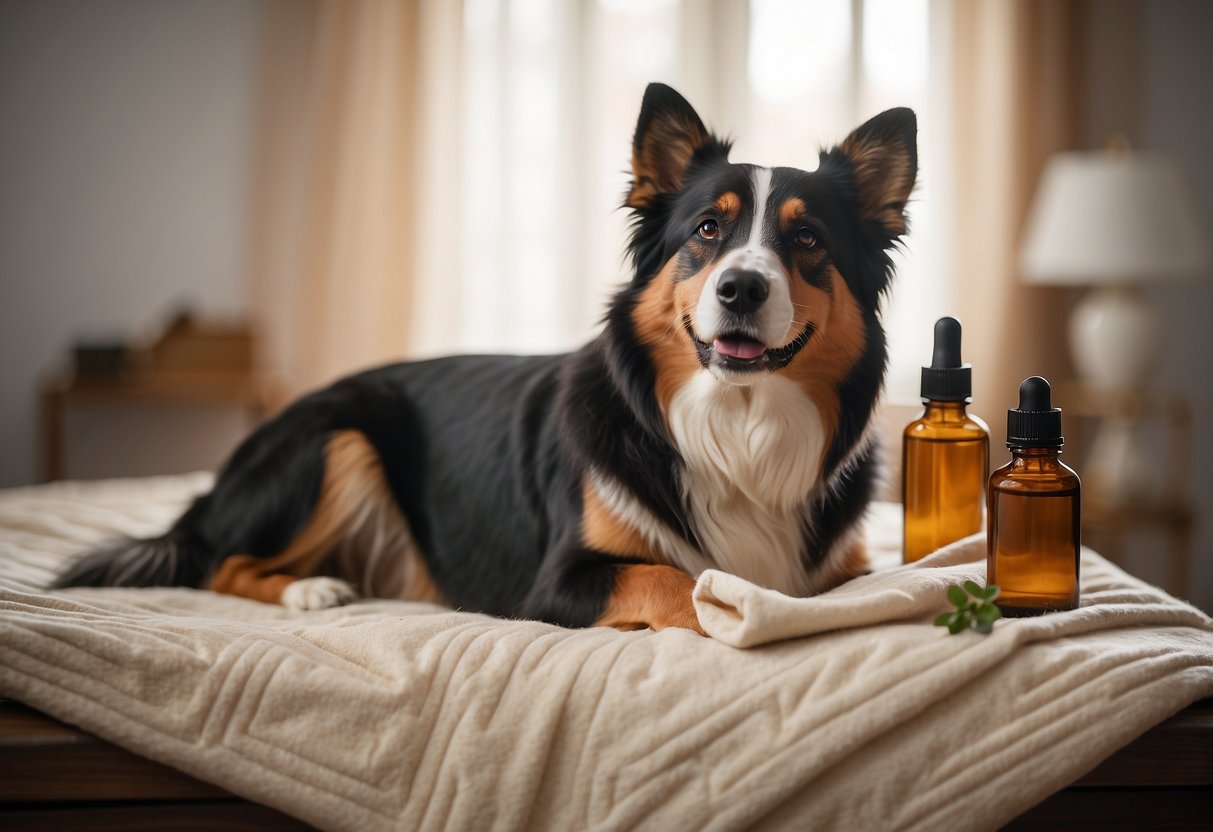
Using essential oils and massage can help relax dogs. It’s important to use safe oils and proper techniques. Here are some common questions about this topic.
What essential oils are safe to use for dog relaxation?
Lavender, chamomile, and valerian are safe essential oils for dogs. These scents can help calm and relax your pet. Always dilute oils before use.
Avoid using tea tree, citrus, and pine oils. These can be harmful to dogs.
How can I massage my dog to help them relax?
Start with gentle strokes along your dog’s back. Use circular motions around the shoulders and hips. Avoid pressing too hard.
Pay attention to your dog’s reactions. Stop if they seem uncomfortable. Keep sessions short, around 5-10 minutes.
Are there any risks associated with using essential oils on dogs?
Yes, there are some risks. Dogs can be sensitive to certain oils. Never apply undiluted oils directly to your dog’s skin.
Some dogs may have allergic reactions. Watch for signs like itching or redness. Stop use if you notice any negative effects.
Which essential oil scents are known to calm dogs the most effectively?
Lavender is known to be very calming for dogs. It can help reduce anxiety and promote relaxation.
Chamomile and valerian are also effective. These scents can help soothe nervous or stressed dogs.
Can aromatherapy be beneficial for dogs with separation anxiety?
Yes, aromatherapy can help dogs with separation anxiety. Certain scents can create a calming atmosphere.
Try diffusing lavender or chamomile when you leave. This can help your dog feel more relaxed while you’re gone.
How should essential oils be applied to dogs for therapeutic purposes?
Dilute essential oils with a carrier oil before use.
Mix 1-3 drops of essential oil per teaspoon of carrier oil.
You can apply the diluted oil to your hands and pet your dog.
Or add a few drops to their bedding.
Diffusing oils in the room is another safe option.