The Best Essential Oils for Dogs with Travel Anxiety: Natural Solutions for Canine Comfort
Does your dog get anxious during car rides or trips? You’re not alone. Many dogs feel stressed when traveling.
Essential oils can help calm your furry friend. Lavender oil is one of the best essential oils for dogs with travel anxiety, as it promotes relaxation and reduces stress.
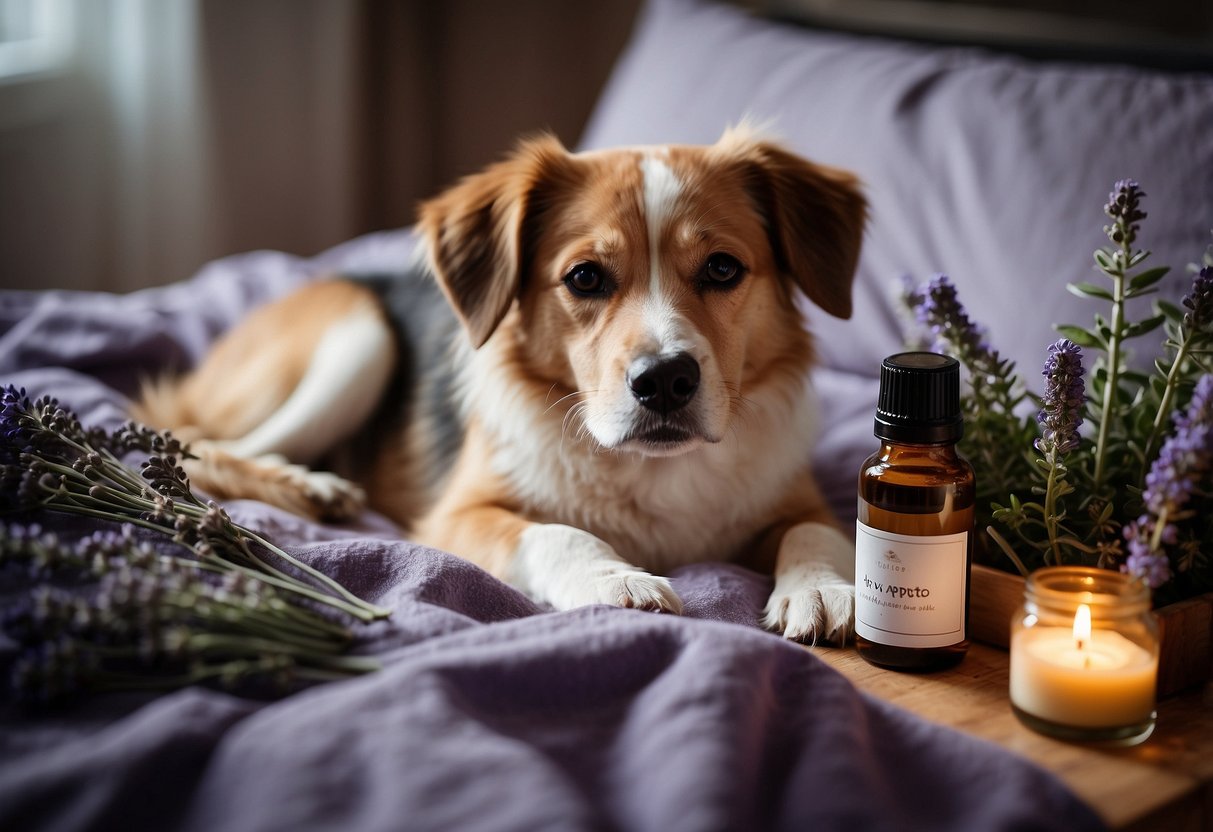
Other oils like chamomile and frankincense can also soothe anxious pups. These natural remedies work by affecting your dog’s sense of smell, which is linked to emotions and behavior.
When used safely, essential oils can make travel more enjoyable for both you and your pet.
Remember to dilute oils properly and introduce them slowly. Start using them before your trip to help your dog form positive associations.
With the right approach, essential oils can be a valuable tool in your pet care kit for stress-free travels.
Key Takeaways
- Essential oils can help reduce travel anxiety in dogs when used correctly
- Always dilute oils and introduce them gradually to ensure safety
- Combine essential oils with other calming techniques for the best results
Understanding Travel Anxiety in Dogs
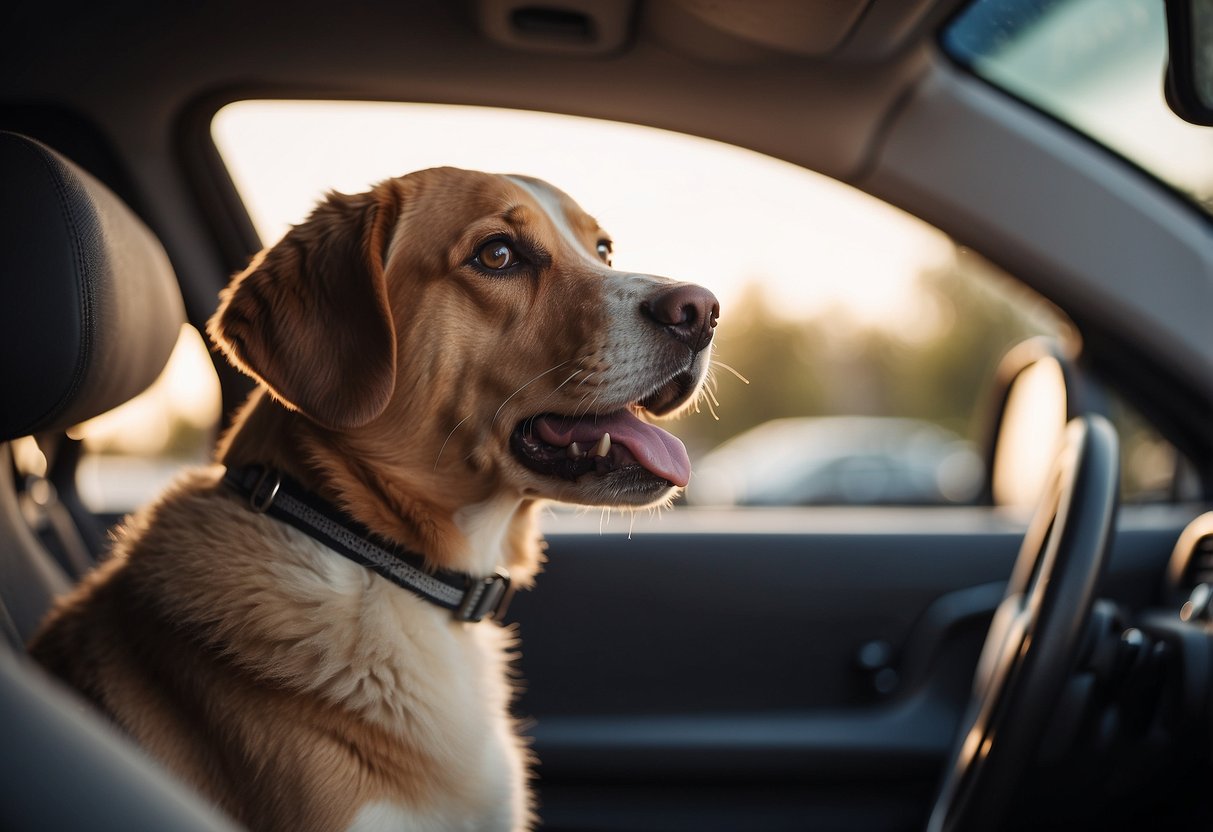
Travel anxiety is common in dogs. It can make car rides stressful for both pets and owners. Dogs may show signs like shaking, drooling, or whining when traveling.
Some dogs get anxious due to motion sickness. Others may fear the unknown or have had bad experiences in cars before. Loud noises and unfamiliar smells can also trigger anxiety.
You might notice these symptoms in your anxious dog:
- Excessive panting or drooling
- Trembling or shaking
- Whining or barking
- Pacing or restlessness
- Vomiting or diarrhea
It’s important to address travel anxiety early. Left untreated, it can get worse over time.
Your dog may start to associate cars with fear, making future trips harder.
There are many ways to help your dog feel calmer during travel. Essential oils can be one tool to reduce anxiety. Lavender and chamomile are known for their calming effects.
Training and positive associations can also help. Try short trips with treats and praise.
Gradually increase trip length as your dog gets more comfortable.
Remember, each dog is unique. What works for one may not work for another. Be patient and try different methods to find what helps your pet best.
The Role of Essential Oils
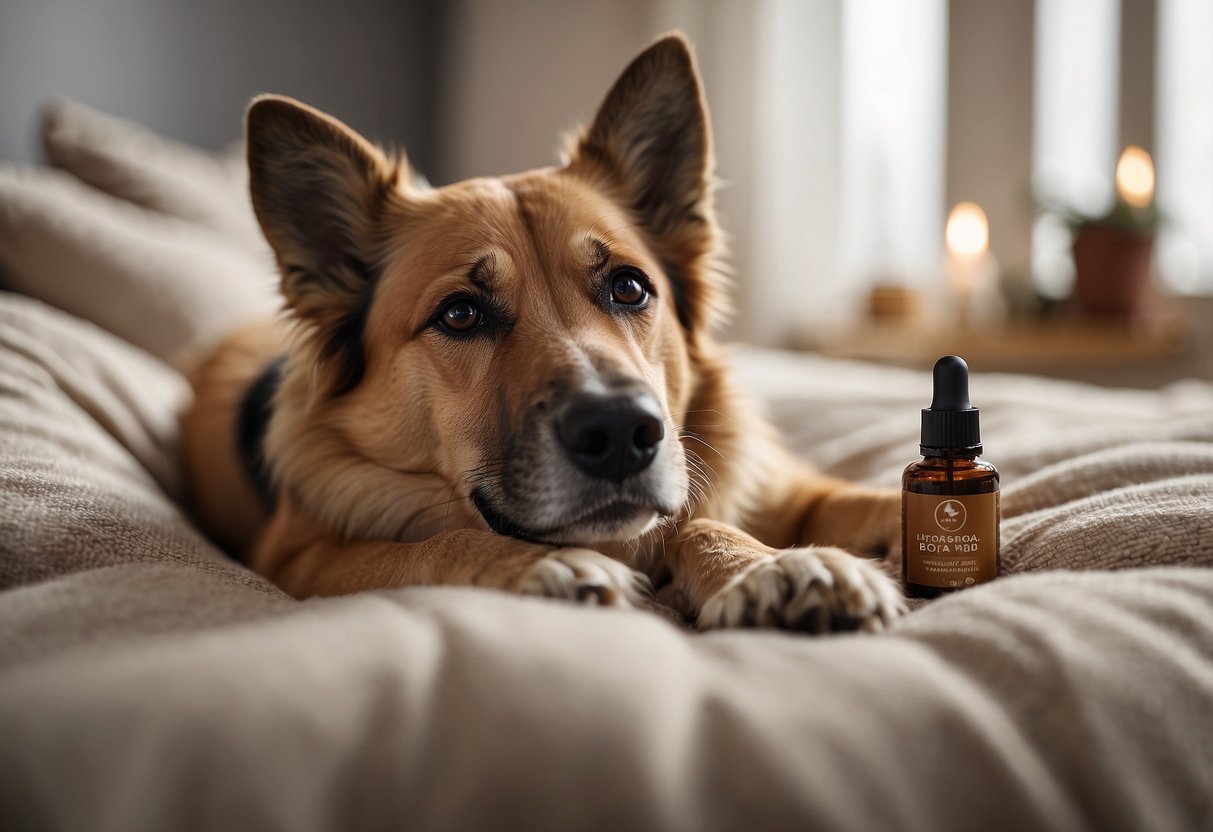
Essential oils can be helpful for dogs with travel anxiety. They offer a natural way to calm your pet. But you need to use them carefully and know their limits.
How Essential Oils Can Help
Essential oils work through smell. Your dog’s nose is very strong, so these scents can affect their mood.
Some oils like lavender can make your dog feel calm. Others like chamomile might help them sleep better.
You can use a diffuser in your car to spread the smell. Or you can put a few drops on a cloth near your dog’s bed.
Some people rub diluted oils on their dog’s fur, but always check with your vet first.
Frankincense oil may help with skin problems. This could be good if your dog gets itchy when stressed. Citrus oils can act as bug sprays, which is useful for outdoor trips.
Limitations and Considerations
Not all essential oils are safe for dogs. Some can be harmful or even toxic. Tea tree oil is very dangerous for dogs. It can cause skin problems and make them sick.
Always dilute oils before using them on your dog. Pure oils are too strong.
Mix them with a carrier oil like coconut oil. Start with a small amount to see how your dog reacts.
Some dogs may not like strong smells. Watch your pet for signs of distress.
If they seem upset, stop using the oil right away. Signs of oil poisoning can include throwing up, breathing problems, or acting tired.
Talk to your vet before using any oils. They can tell you which ones are safe for your dog.
Remember, oils should not replace other treatments your vet suggests for anxiety.
Top Essential Oils for Canine Travel Anxiety
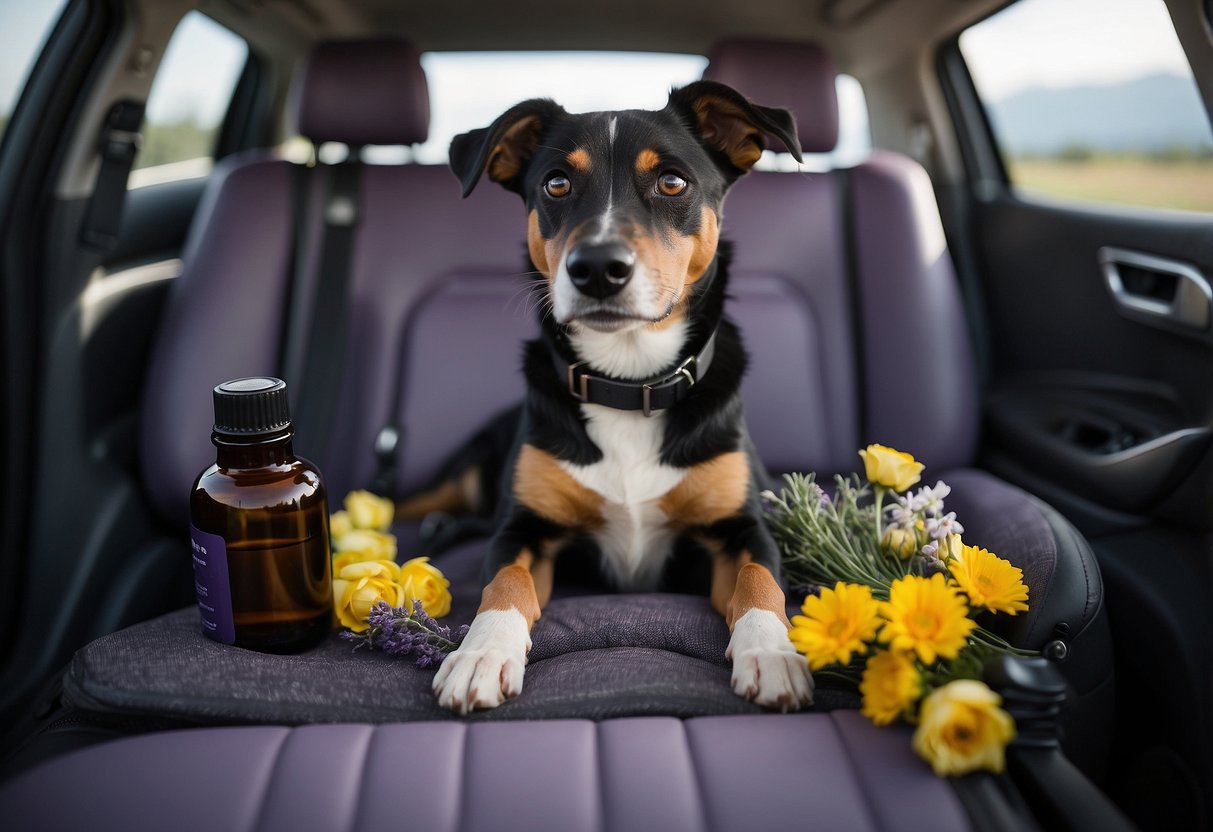
Essential oils can help calm anxious dogs during travel. Some oils work better than others for easing stress and promoting relaxation. Let’s look at four top options for soothing your pup on trips.
Lavender Oil
Lavender essential oil is a popular choice for calming anxious dogs. It has a gentle, floral scent that reduces stress and promotes relaxation.
You can use lavender oil in several ways:
- Add a few drops to your dog’s collar or bedding before travel
- Diffuse it in the car using a portable diffuser
- Mix with a carrier oil and gently massage into your dog’s fur
Lavender is generally safe for dogs when used properly. Always dilute it and avoid applying near the eyes or mouth. Start with small amounts to see how your dog reacts.
Chamomile Oil
Chamomile oil has soothing properties that can ease your dog’s nerves during travel. Its mild, sweet scent helps create a calming atmosphere. Here are some ways to use chamomile oil:
- Add a drop or two to a cotton ball and place it near your dog’s crate
- Mix with a carrier oil for a gentle pre-trip massage
- Use in a spray bottle with water to mist your car’s interior
Chamomile is typically safe for dogs, but always dilute it properly. Avoid using it if your dog has any known allergies to plants in the daisy family.
Ginger Oil
Ginger oil can help with both anxiety and motion sickness in dogs. Its warm, spicy aroma has calming effects and may settle upset stomachs. Try these methods:
- Diffuse a small amount in the car before and during travel
- Add a drop to your dog’s collar or bandana
- Mix with a carrier oil and rub on your dog’s paw pads
Be cautious when using ginger oil, as it can cause skin irritation if not diluted properly. Start with very small amounts and watch for any adverse reactions.
Frankincense Oil
Frankincense oil has a woody, earthy scent that can help calm anxious dogs. It may also support immune function during stressful travel. Consider these uses:
- Add a drop to your dog’s favorite toy or blanket
- Diffuse in the car or at your destination
- Mix with a carrier oil for a soothing pre-trip massage
While generally safe, always dilute frankincense oil before use. Avoid applying it near your dog’s face or sensitive areas. As with any essential oil, introduce it gradually and monitor your dog’s response.
Safe Use of Essential Oils
Essential oils can help dogs with travel anxiety, but proper use is crucial. Dilution, careful application, and awareness of potential side effects are key for safety.
Dilution and Application
Always dilute essential oils before using them on your dog. Mix 1-2 drops of oil with a carrier oil like coconut or olive oil.
The ideal ratio is 1 drop of essential oil to 1 tablespoon of carrier oil.
Apply the diluted oil to your dog’s collar or bandana. Avoid putting it directly on their skin or fur.
This method allows your dog to benefit from the scent without risking skin irritation.
For diffusion, use only 1-2 drops in a large room.
Keep the diffuser away from your dog’s sleeping area. Ensure good ventilation and give your dog a way to leave the room if needed.
Toxicity and Side Effects
Some essential oils are toxic to dogs. Avoid tea tree, cinnamon, citrus, pine, and wintergreen oils. These can cause serious health issues if ingested or absorbed through the skin.
Watch for signs of adverse reactions:
- Drooling
- Vomiting
- Lethargy
- Difficulty breathing
- Skin irritation
If you notice any of these symptoms, stop using the oil immediately and contact your vet.
Remember, dogs have a much stronger sense of smell than humans. What smells pleasant to you might be overwhelming for them.
Consulting with a Veterinarian
Before using any essential oils, talk to your vet. They can advise on which oils are safe for your specific dog and how to use them properly.
Your vet might suggest alternatives if essential oils aren’t right for your pet.
They can also help you create a comprehensive travel anxiety plan that may include other treatments.
If your dog has existing health issues, essential oils might not be suitable.
Your vet can help you weigh the risks and benefits based on your dog’s individual needs.
Alternative Remedies and Supportive Measures
Dogs with travel anxiety can benefit from various approaches beyond essential oils. These methods can help create a more comfortable and relaxing experience for your furry friend during trips.
Behavioral Training
Positive reinforcement techniques can help your dog feel more at ease during travel.
Start with short car rides to fun places like parks. Reward your dog with treats and praise for calm behavior.
Gradually increase trip length as your dog becomes more comfortable.
Practice getting in and out of the car without going anywhere. This helps your dog associate the vehicle with positive experiences.
Consider working with a professional dog trainer. They can teach you specific methods to address your dog’s travel anxiety.
Consistency is key in behavioral training, so stick with it for the best results.
Adapting the Travel Environment
Make your car more dog-friendly to reduce anxiety. Use a secured crate or dog seat belt for safety.
Place familiar items like your dog’s bed or favorite toy in the car.
Cover windows with sunshades to reduce visual stimulation.
Play calming music or white noise to mask traffic sounds.
Keep the car cool and well-ventilated.
For longer trips, plan frequent stops. Let your dog stretch, drink water, and relieve themselves.
This breaks up the journey and provides much-needed relief.
Supplements and Diet
Some supplements may help ease your dog’s travel anxiety. Chamomile can have a calming effect on dogs. Always consult your vet before giving any new supplement.
Consider adjusting your dog’s diet on travel days.
A light meal a few hours before the trip can help prevent motion sickness. Avoid feeding right before travel.
Provide plenty of water to keep your dog hydrated.
Some dogs benefit from special anxiety-reducing treats. These often contain ingredients like L-theanine or melatonin.
Remember, every dog is different. What works for one may not work for another.
Be patient and try different combinations of these methods to find what’s best for your pet.
Creating a Calming Travel Experience
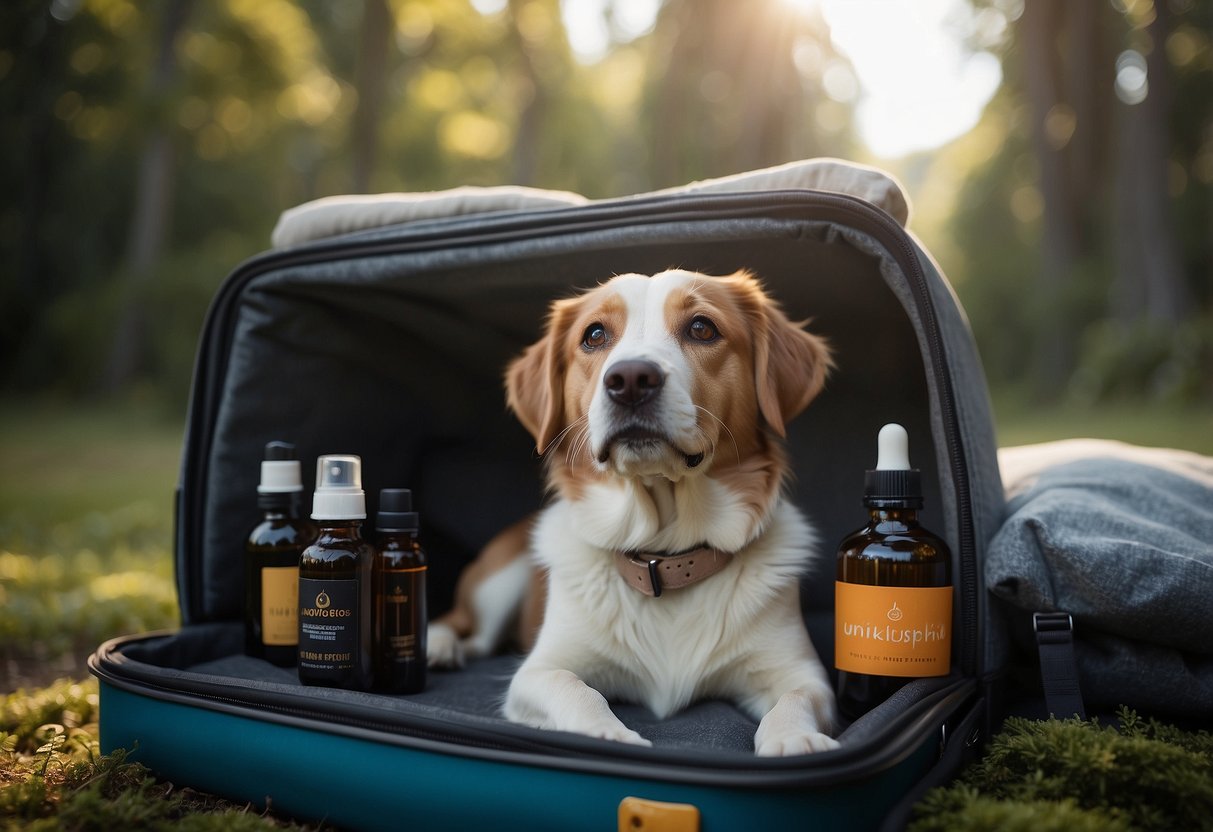
Preparing your dog for a calm journey starts before you leave home.
Pack familiar items like their favorite blanket or toy to provide comfort in new environments.
Use a crate or carrier that your dog associates with safety.
Place it in your car or travel area ahead of time, allowing your pet to explore and get comfortable.
Consider using calming aids:
- Natural supplements
- Pheromone sprays
- Anxiety wraps
Essential oils can help create a soothing atmosphere. Apply a few drops of lavender or chamomile to a bandana around your dog’s neck.
During travel, maintain a calm demeanor. Your dog picks up on your emotions, so stay relaxed and positive.
Take frequent breaks for bathroom stops and short walks. This helps your dog release energy and reduces stress.
Play soft, calming music designed for dogs. It can mask unfamiliar noises and create a peaceful environment.
Offer treats and praise for good behavior. This positive reinforcement helps your dog associate travel with pleasant experiences.
Summary and Key Takeaways
Lavender oil is a top choice for dogs with travel anxiety. It helps reduce stress and promotes relaxation.
Chamomile oil can also calm anxious dogs during trips. Its gentle scent has soothing properties.
Always dilute essential oils before use on your dog. Mix a few drops with a carrier oil like coconut oil.
Never apply oils directly to your dog’s skin or let them ingest the oils. This can be harmful.
Use a diffuser in the car or apply diluted oil to your dog’s bedding or collar. Start with small amounts to see how your pet reacts.
Some oils to avoid include:
- Tea tree
- Cinnamon
- Pennyroyal
These can be toxic to dogs and cause serious health issues.
Watch for signs of discomfort in your dog when using essential oils. Stop use if you notice any negative reactions.
Frequently Asked Questions
Essential oils can help dogs with travel anxiety. Some oils are safe and effective, while others should be avoided. Proper use and safety precautions are important.
Which essential oils are safe to use for dogs experiencing travel anxiety?
Lavender, chamomile, and valerian root are safe essential oils for dogs with anxiety. These oils can help calm your dog during travel.
Avoid using tea tree, cinnamon, or pennyroyal oils. These can be toxic to dogs and cause health problems.
What are the most effective calming scents for dogs with separation anxiety?
Lavender is known for its calming effects on dogs. It can help reduce stress and promote relaxation.
Chamomile has a sweet scent that can soothe anxious dogs. Valerian root is another option that may help your dog feel more at ease.
How can essential oils be used to help calm an anxious dog during long-distance travel?
You can apply diluted essential oils to your dog’s fur or skin. This allows for direct absorption of the calming scents.
Using a diffuser in your car can create a relaxing atmosphere during travel. You can also add a few drops to your dog’s bedding or collar.
Are there any research-backed essential oil blends recommended for dogs with anxiety?
The ThunderEase Dog Calming Pheromone Diffuser Kit is backed by scientific studies. It uses synthetic pheromones to reduce anxiety in dogs.
Some vets recommend a blend of neroli, petitgrain, and lavender oils for general anxiety in dogs.
What precautions should be taken when using essential oils around dogs?
Always dilute essential oils before use. Pure oils can be too strong for dogs and may cause skin irritation.
Keep oils away from your dog’s eyes, nose, and mouth.
Don’t use oils on puppies, pregnant dogs, or dogs with health issues without consulting a vet.
Can essential oils be used to manage aggressive behaviour in dogs, and if so, how?
Essential oils may help calm aggressive dogs, but they’re not a cure for aggression.
Lavender and chamomile oils can promote relaxation and may reduce stress-related aggression.
Use oils as part of a broader behavior modification plan.
Always work with a professional dog trainer or behaviorist for aggressive behavior.